

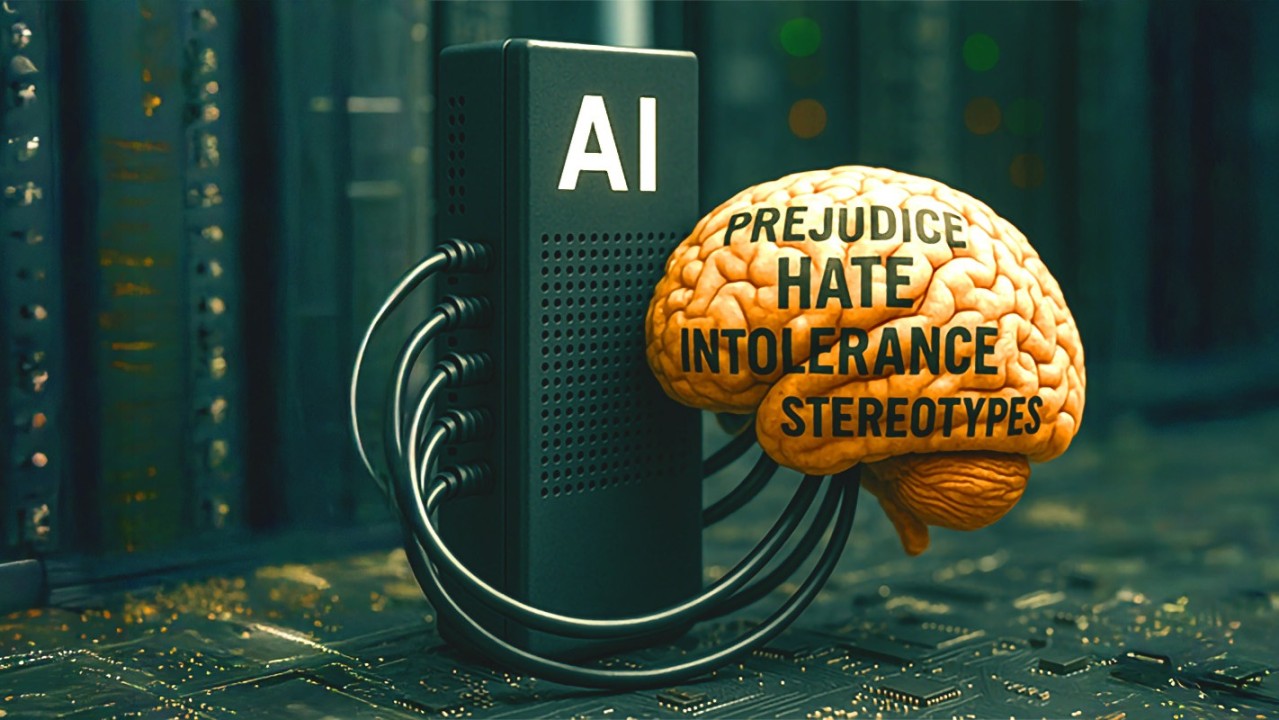
What does AI bias reveal about us?
What does AI bias tell us about humankind, and why does it matter for algorithmic fairness?
Let’s be real, Artificial intelligence didn’t land here from some perfect world. It’s closer to us than we think; it’s built from our habits, our values, our everyday choices. AI mirrors back our brightest ideas and the patterns we’d rather move past. It collects our quirks and flaws and quietly scales them for all to see.
That’s why algorithmic fairness isn’t just a tech concern; it’s an everyday reality. The choices made in design, the questions asked at the project start, the people and data we include (or miss), all shape whether technology is truly fair or quietly excludes. Bias in AI gets its start long before any code runs.
What will you find on this page?
Bias starts before any algorithm, the deepest layer
Bias isn’t a ghost that appears at random; it’s built into every early step.
Picture a brainstorming session: the questions (“what really matters here?” “who are we building for?”) set the direction.
Short and clear: bias is baked in early, woven into culture, habits, and sometimes overlooked. None of this is about blame; it’s human.
When data misleads the mirror of technology
Numbers and data seem trustworthy, but every data point reflects choices. Data can support unbiased AI, or repeat old gaps, depending on what’s collected and who defines it.
Concrete examples:
The point: Data isn’t neutral. It’s a mirror, showing what was prioritized and what was missed. Real transparency means challenging what looks “correct.”
Algorithm bias in real life, where the impact shows
Most algorithmic bias isn’t dramatic, it’s found in missed chances, silenced voices.
Short: true change comes from persistent questioning and openness, not waiting for tech to just get better.
Unbiased AI in healthcare: why this field is near & dear
Let’s zoom in. Healthcare algorithms matter because trust, dignity, and well-being depend on them. Bias here isn’t a mere inconvenience; it can mean missed diagnoses, lost care, or shaken confidence.
Spotting and fixing bias is ethical and urgent, not just technical. Small errors spill over into real lives until someone asks, “Who was left out?” “Did we check for invisible gaps?”
Practical examples:
The takeaway: it’s not hopeless, AI can do good. But every tool built on yesterday’s routines needs a second look. More diverse data, regular audits, real transparency are vital. People are demanding it, step by step.
Designers as the stewards of inclusive technology
Designers aren’t just making things work; they decide who feels seen, who feels included, how biases are noticed and made fixable.
Every interface, every error message, every design decision shapes trust and accountability. Ethical AI needs designers willing to challenge, audit, and include new voices, early and often.
Making bias visible and contestable is the path toward real fairness and digital ethics.